Sartory Billard
Independent Watch Brands: The Complete Guide to Independent Watchmaking
Discover the world of independent watch brands, from artisanal craftsmanship and limited production to innovative designs and exceptional watchmaking expertise.


Sartory Billard
Discover the world of independent watch brands, from artisanal craftsmanship and limited production to innovative designs and exceptional watchmaking expertise.
Over the past two decades, independent watch brands have become one of the most fascinating forces in modern horology.
While the traditional Swiss watch industry has long been dominated by large luxury groups and global brands, a growing number of collectors have turned their attention toward smaller, independent watchmakers.
These independent brands often produce watches in limited quantities, emphasizing creativity, craftsmanship, and innovation rather than mass production.
For many enthusiasts, independent watchmaking represents the purest form of mechanical horology — where watches are designed with a strong artistic vision and built with an exceptional level of attention to detail.
This guide explores the world of independent watch brands, explaining what defines them and presenting some of the most respected names in contemporary watchmaking.
Whether you are a new collector or a long-time enthusiast, understanding independent watchmaking provides a deeper appreciation for the artistry behind mechanical watches.
An independent watch brand is generally defined as a watch company that is privately owned and not controlled by a major luxury conglomerate such as LVMH, Richemont, or the Swatch Group.
Independent watchmakers operate with complete creative freedom, allowing them to pursue unique designs, technical innovations, and artisanal craftsmanship.
Although the definition can vary, independent watch brands typically share several characteristics:
Many independent watch brands are led by a founder whose personal philosophy shapes the design and direction of the watches.
Unlike major watch companies that produce hundreds of thousands of watches each year, independent watchmakers often produce only a few hundred or even a few dozen watches annually.
Independent brands frequently emphasize traditional techniques such as:
Collectors often have direct contact with the founders or watchmakers behind independent brands, creating a more personal relationship than with large luxury brands.
These elements combine to create watches that are often highly distinctive and deeply appreciated by collectors.


The independent watchmaking movement began gaining prominence in the late twentieth century.
After the quartz crisis of the 1970s and 1980s, mechanical watchmaking experienced a renaissance. During this period, a number of watchmakers chose to establish their own brands rather than work within large corporate structures.
This movement helped revive traditional craftsmanship and introduce new ideas into the watch industry.
Today, independent watch brands represent one of the most innovative segments of horology, combining traditional techniques with modern creativity.
Collectors increasingly seek watches that offer something unique — both technically and artistically — and independent brands often provide exactly that.
Many collectors eventually reach a point where standardized luxury products no longer create strong emotion. Independent watchmaking often answers this desire for something more personal, more coherent and more human.


Interest in independent watch brands has grown significantly in recent years.
Collectors are drawn to these watches for several reasons.
Independent watchmakers are free to experiment with new designs, unconventional materials, and unique complications.
Without the constraints of corporate design departments, independent creators can pursue bold ideas.
Many independent watch brands produce extremely small numbers of watches each year.
This scarcity makes independent watches especially attractive to collectors who appreciate rarity.
Independent watches often reflect the artistic vision of their creators.
Dial design, case construction, and finishing techniques can vary dramatically from one independent brand to another.
In many cases, collectors can communicate directly with the founder or designer behind the brand.
This personal connection creates a deeper appreciation for the watch itself.

The world of independent watchmaking is diverse, ranging from highly established ateliers to emerging creators.
Below are several notable independent watch brands that illustrate the diversity of this field.
Few independent watch brands have had as much influence as F.P. Journe.
Founded by François-Paul Journe in 1999, the brand quickly gained recognition for its technical sophistication and exceptional finishing.
Journe’s motto — Invenit et Fecit (“Invented and Made”) — reflects his commitment to designing and producing original watch movements.
Many of the brand’s watches feature movements crafted from solid gold, a rare choice that reflects the brand’s dedication to craftsmanship.
Some of the most celebrated watches from F.P. Journe include:
Today, F.P. Journe remains one of the most respected independent watchmakers in the world.
Another influential independent watch brand is De Bethune.
Founded by Denis Flageollet and David Zanetta, De Bethune is known for combining traditional watchmaking techniques with modern engineering.
The brand has developed numerous technical innovations, including:
De Bethune watches are also recognizable for their distinctive aesthetic, often featuring mirror-polished titanium surfaces and deep blue finishes.
This combination of technical innovation and futuristic design makes De Bethune one of the most distinctive independent watch brands today.
Finnish watchmaker Kari Voutilainen is widely regarded as one of the greatest living craftsmen in horology.
His watches are produced in extremely small numbers and are celebrated for their exceptional finishing.
Many Voutilainen dials feature traditional hand-guilloché patterns created using antique rose-engine machines.
Each watch undergoes extensive hand finishing, often requiring dozens of hours of meticulous work.
Collectors prize Voutilainen watches for their combination of technical precision and artistic craftsmanship.
Founded by photographer and designer Ming Thein, Ming represents a modern interpretation of independent watchmaking.
The brand quickly gained recognition for its distinctive design language.
Ming watches are characterized by:
Despite their modern appearance, Ming watches incorporate sophisticated mechanical movements developed with Swiss partners.
The brand demonstrates how independent watchmaking continues to evolve in new creative directions.
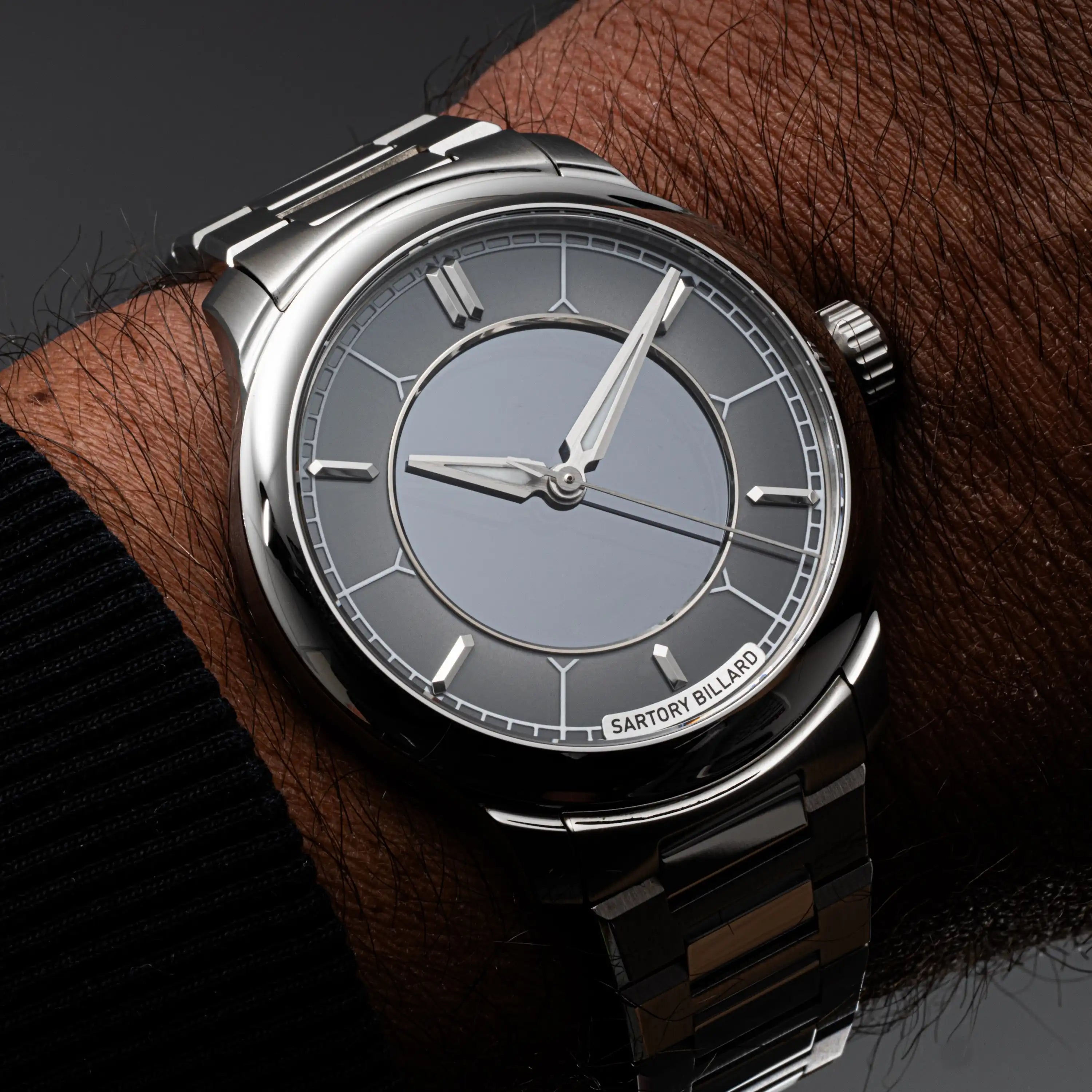
Among contemporary independent watch brands, Sartory-Billard occupies a unique position.
Founded by French designer Armand Billard, the brand focuses on creating watches that emphasize individuality and dial artistry.
Rather than producing standardized collections, Sartory-Billard often works directly with collectors to create highly personalized watches.
This approach allows collectors to participate in the creative process.
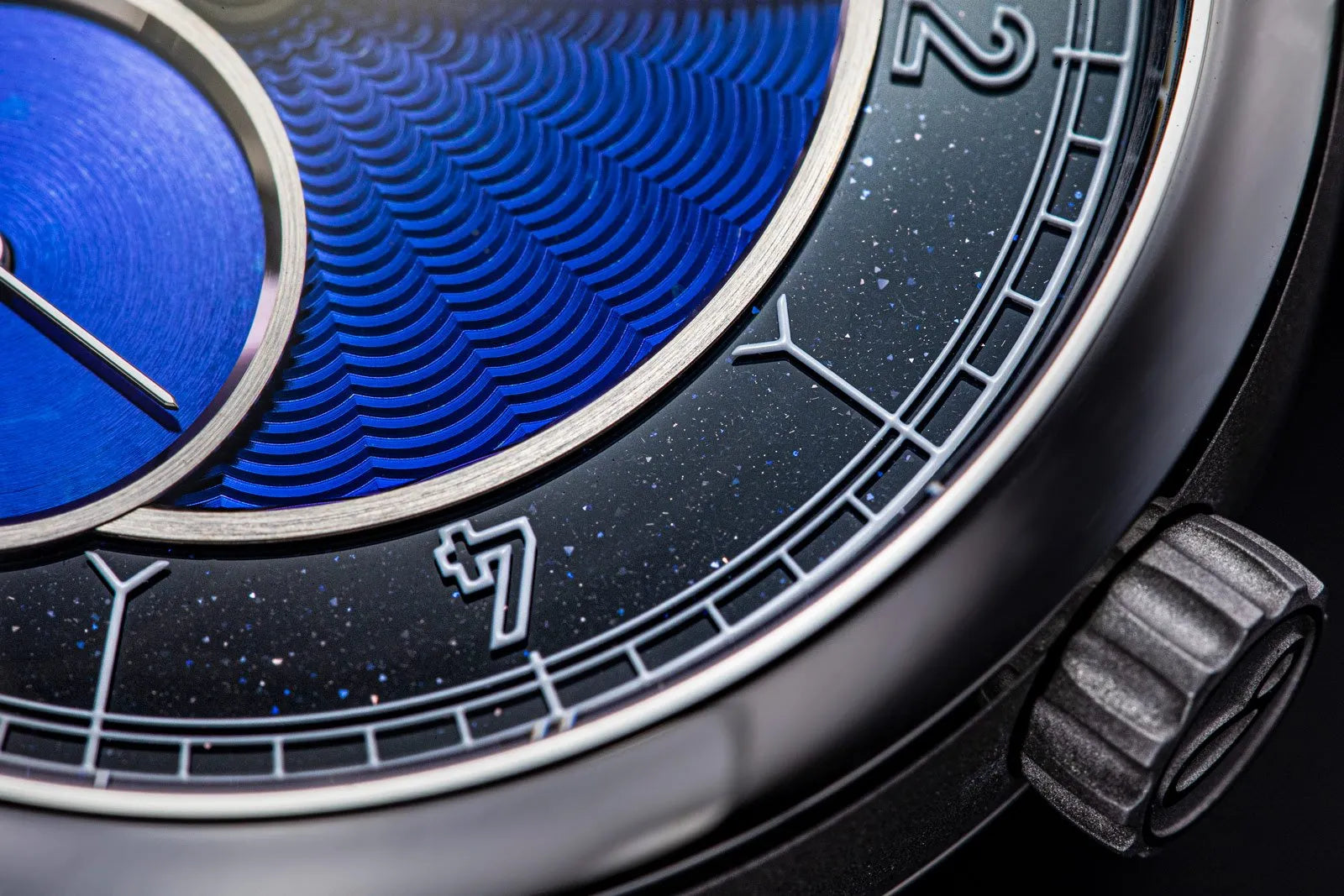
Sartory-Billard watches are particularly known for their exceptional dials, which may incorporate rare materials and decorative techniques such as:
Each watch reflects a balance between design coherence and personal expression. At Sartory-Billard, dial development often involves months of experimentation with materials, textures and reflections. Some projects require multiple prototypes before reaching the right balance between readability, proportions and emotional impact.
The development of watches such as the SB10 Pulse also came from longer research projects exploring jumping hour displays and alternative ways to experience time mechanically.
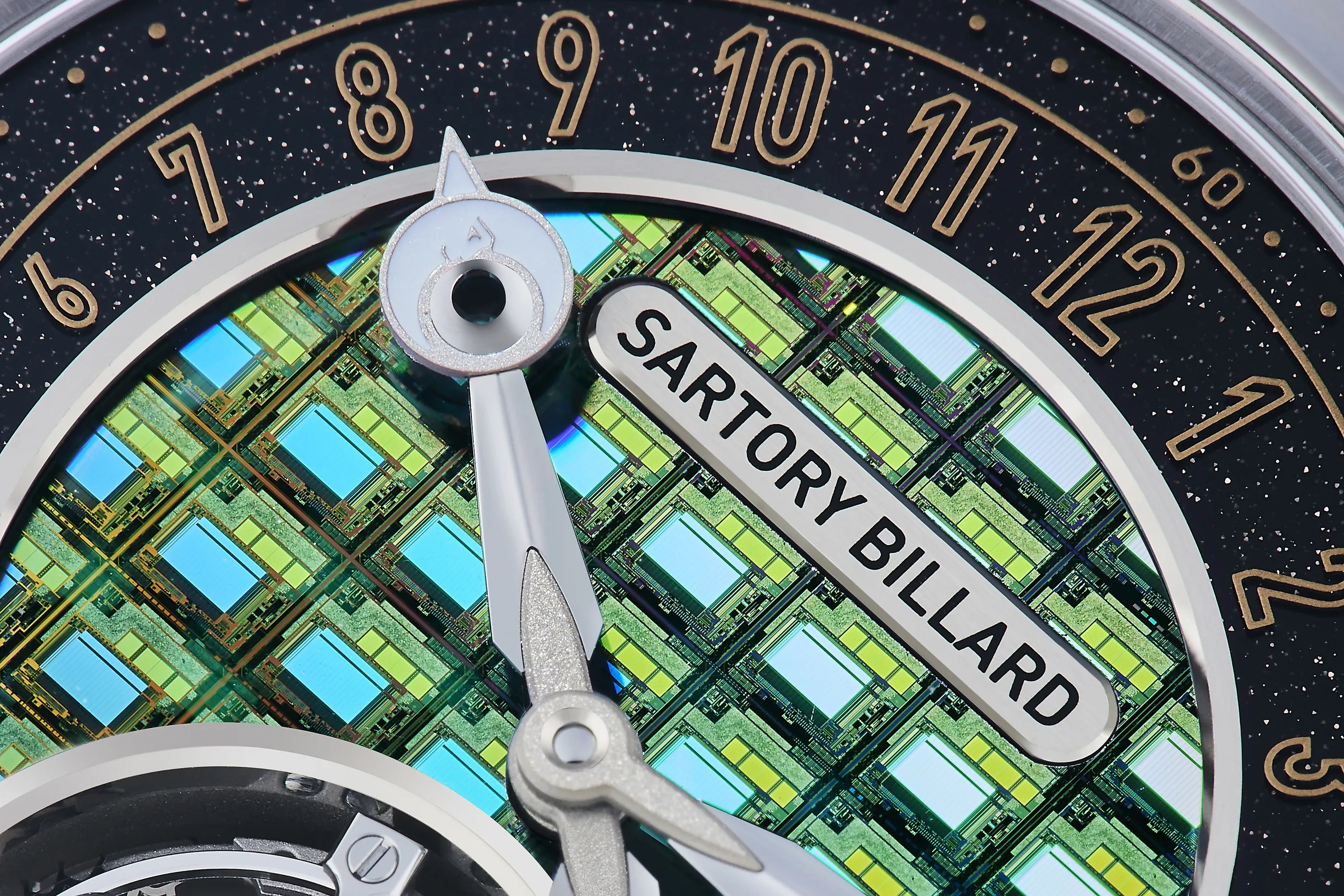


One of the defining characteristics of many independent watch brands is their dedication to dial craftsmanship.
While industrial watch production often relies on automated processes, independent watchmakers frequently use traditional techniques that require significant expertise.
These techniques include:
Guilloché is a decorative engraving technique that produces intricate geometric patterns on metal surfaces.
Traditionally executed using rose-engine lathes, guilloché remains one of the most revered decorative arts in watchmaking.
Hand engraving involves carving patterns or motifs directly into the surface of metal components.
This technique requires years of training and produces highly distinctive results.
Some independent brands experiment with natural materials such as:
These materials create visually striking dial textures that cannot be replicated through industrial production.
The global watch industry is largely dominated by major luxury conglomerates.
These groups include brands such as Rolex, Omega, Cartier, and TAG Heuer.
While these companies produce exceptional watches, their business models differ significantly from those of independent watch brands.
Large watch groups focus on:
Independent watchmakers, on the other hand, typically prioritize:
For collectors seeking originality and craftsmanship, independent watch brands offer a compelling alternative.
For collectors exploring independent watchmaking, several factors may influence their decision.
Each independent watch brand has its own aesthetic identity.
Some emphasize traditional watchmaking, while others pursue contemporary design.
Examine the finishing of the movement, case, and dial.
Independent watches often feature levels of craftsmanship rarely seen in industrial production.
Limited production can increase a watch’s rarity and desirability among collectors.
Many collectors value the opportunity to interact directly with the founder or watchmaker.


The independent watchmaking movement continues to grow as collectors increasingly seek authenticity and originality.
Advances in digital communication have made it easier for independent watchmakers to reach collectors around the world.
At the same time, social media and enthusiast communities have helped highlight the work of smaller watch brands.
As the industry evolves, independent watch brands will likely continue to play a crucial role in shaping the future of horology.
Their willingness to experiment with materials, designs, and complications ensures that mechanical watchmaking remains a vibrant and innovative craft.
Independent watch brands represent one of the most exciting areas of modern horology.
Freed from the constraints of large corporate structures, independent watchmakers are able to explore new ideas and pursue a highly personal vision of watch design.
From pioneers such as F.P. Journe and Kari Voutilainen to contemporary creators like Ming and Sartory-Billard, independent watchmaking continues to push the boundaries of craftsmanship and creativity.
For collectors seeking originality, artistry, and a deeper connection with the watchmaker, independent watches offer an unparalleled experience.


