Sartory Billard

Independent Watchmaking: Craft, Creativity and the Future of Horology

Discover independent watchmaking through the lens of craftsmanship, creativity, and innovation. Explore the makers shaping the future of modern horology.

Introduction

Independent watchmaking represents one of the most fascinating and dynamic movements in modern horology.

While the global watch industry is dominated by large luxury groups producing watches in significant volumes, a growing number of collectors are turning their attention toward smaller, independent watchmakers.

These creators operate outside large corporate structures and pursue watchmaking with a singular vision — combining craftsmanship, innovation, and personal expression.

Independent watchmaking is not simply about producing watches in small numbers. It is about maintaining a direct connection between the designer, the watchmaker, and the collector.

For many enthusiasts, independent watchmaking represents the most authentic expression of modern mechanical horology.

What Is Independent Watchmaking?

Independent watchmaking refers to watch brands that operate outside major luxury groups and maintain creative and operational independence.

These companies are usually privately owned and often led directly by their founders.

Independent watchmakers typically focus on:

  • small production volumes
  • distinctive design philosophies
  • innovative mechanical solutions
  • artisanal craftsmanship

While traditional watch companies may produce hundreds of thousands of watches annually, independent brands often produce only a few hundred.

This limited production allows independent watchmakers to experiment with new ideas and maintain exceptional levels of finishing and craftsmanship.

The Origins of Independent Watchmaking

The modern independent watchmaking movement began to gain visibility in the late twentieth century.

Following the quartz crisis of the 1970s and 1980s, mechanical watchmaking experienced a revival.

During this period, several visionary watchmakers decided to pursue their own creative paths rather than remain within large companies.

These pioneers helped redefine what watchmaking could be.

Among the most influential figures in independent watchmaking are:

  • Abraham-Louis Breguet (historical inspiration)
  • George Daniels
  • Philippe Dufour
  • François-Paul Journe

Their work demonstrated that individual watchmakers could produce extraordinary mechanical watches that rivaled or surpassed those of established brands.

The Philosophy of Independent Watchmaking

Independent watchmaking is guided by a philosophy that differs fundamentally from industrial watch production.

Large watch companies focus on consistency, scalability, and global distribution. Independent watchmakers instead prioritize creativity and craftsmanship. Several principles define the philosophy of independent watchmaking.

Creative Freedom

Independent watchmakers are free from corporate design constraints.

This freedom allows them to experiment with new materials, unconventional complications, and original design languages.

Limited Production

Many independent brands intentionally limit production in order to maintain quality and exclusivity.

Collectors often value these watches for their rarity.

Craftsmanship

Independent watchmaking places strong emphasis on traditional finishing techniques such as:

  • hand polishing
  • guilloché engraving
  • hand engraving
  • traditional movement finishing

Personal Vision

Each independent brand reflects the personal vision of its founder.

This gives independent watches a strong identity and character.

Independent Watchmaking and Craftsmanship

One of the defining characteristics of independent watchmaking is the importance placed on craftsmanship.

Unlike industrial production environments, independent watchmakers often rely on artisanal techniques that require extensive experience.

These techniques include:

Hand Finishing

Hand finishing refers to the manual polishing and decoration of movement components.

This process can include:

  • anglage (bevel polishing)
  • perlage (circular graining)
  • Geneva stripes

Hand finishing can require dozens of hours for a single movement.

Guilloché Dial Engraving

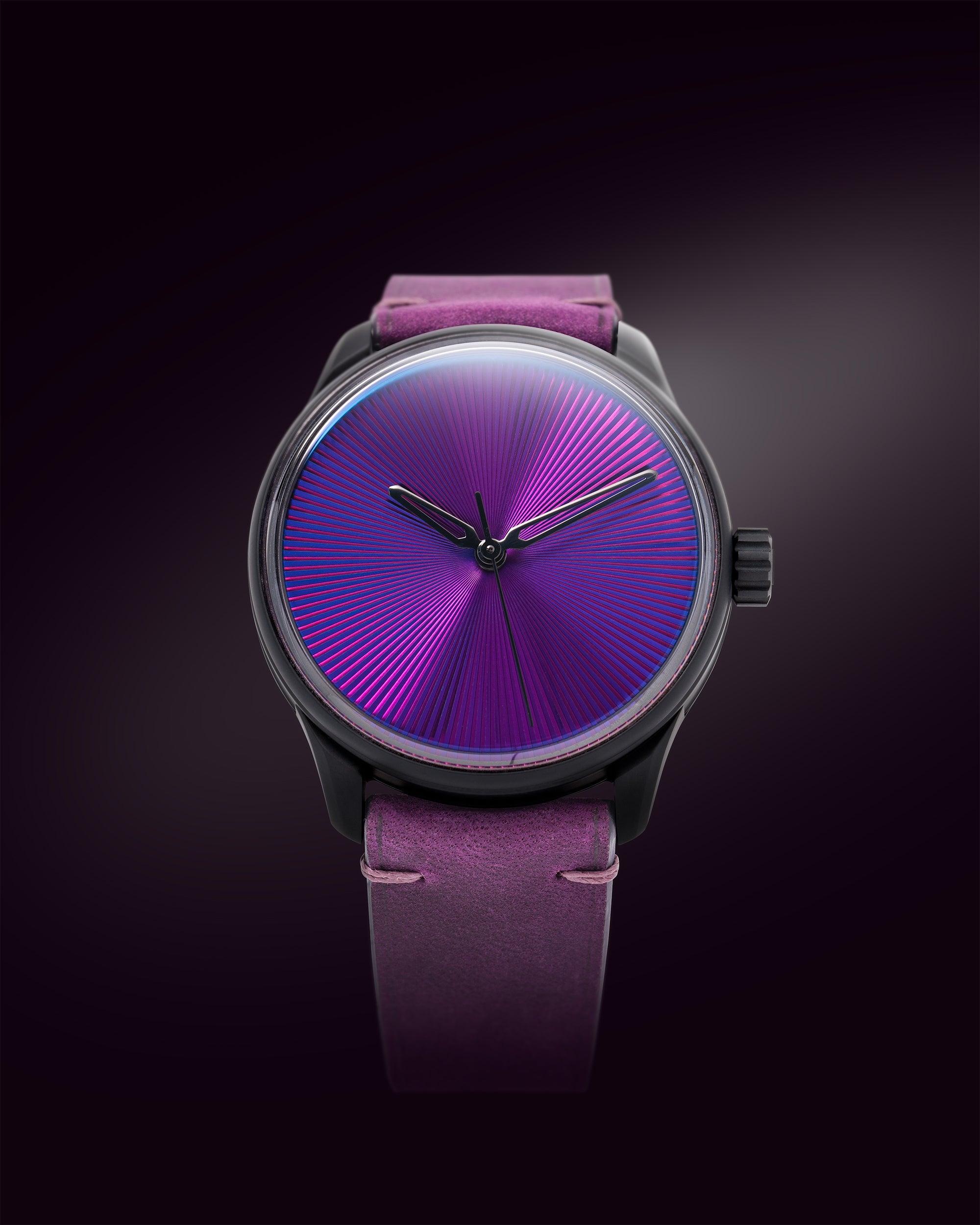
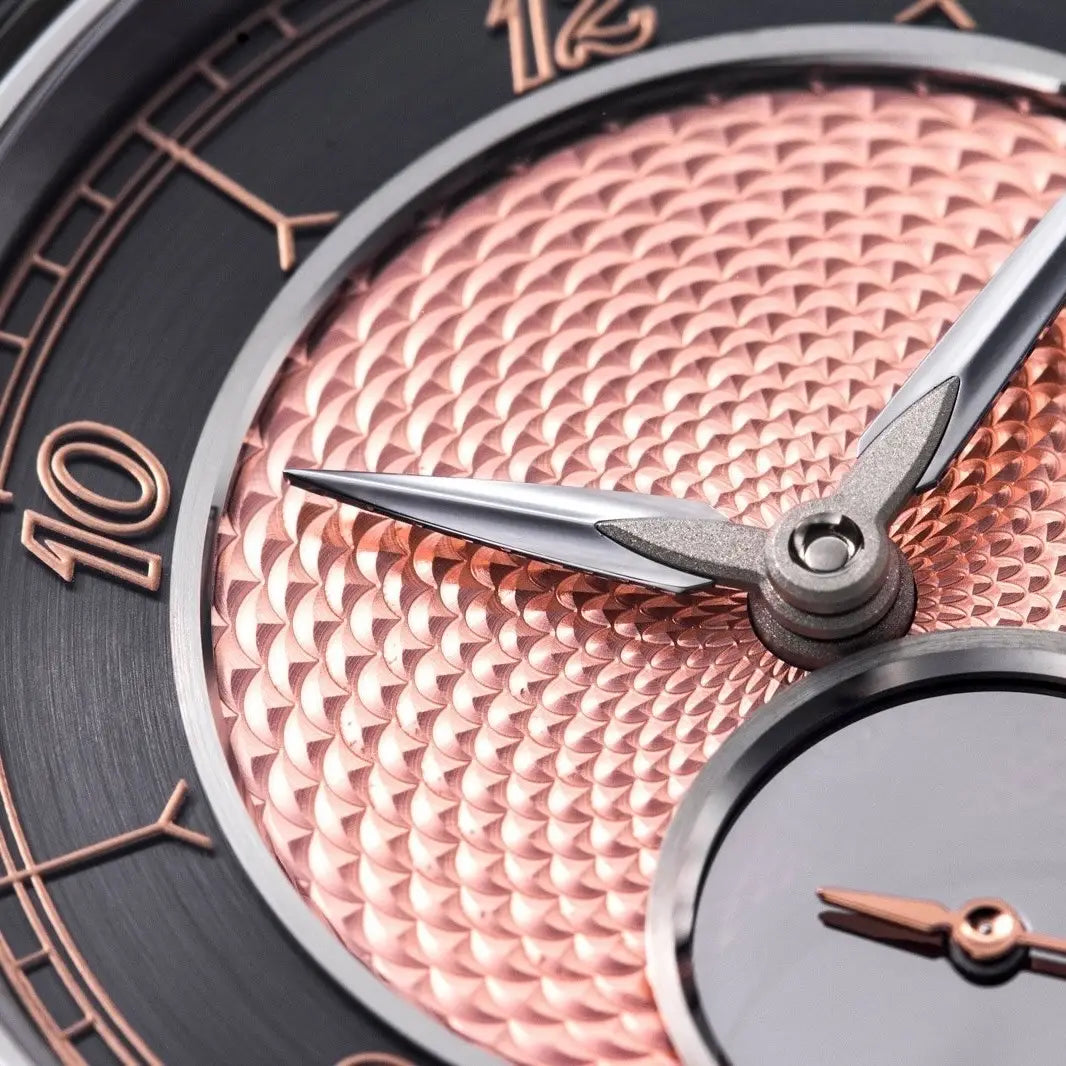
Guilloché is a traditional decorative technique that involves engraving intricate geometric patterns on metal surfaces.

The process uses specialized machines known as rose engine lathes, which allow the craftsman to engrave repeating patterns with extraordinary precision.

Guilloché dials are highly valued by collectors because they interact beautifully with light and demonstrate a high level of craftsmanship.

Hand Engraving

Hand engraving involves carving decorative patterns into metal surfaces using specialized tools.

This technique requires years of training and is often used to decorate watch cases or movement bridges.

The Role of Dial Craftsmanship in Independent Watchmaking

Among the most expressive elements of a watch is its dial.

For independent watchmakers, the dial often becomes a canvas for artistic exploration.

Several techniques are commonly used to create distinctive watch dials.

Guilloché

Guilloché remains one of the most prestigious decorative techniques in watchmaking.

Patterns engraved into the dial create subtle variations of light and texture.

Stone Dials

Natural stone dials introduce unique colors and textures.

Materials used in stone dials include:

  • aventurine
  • lapis lazuli
  • chrysocolla
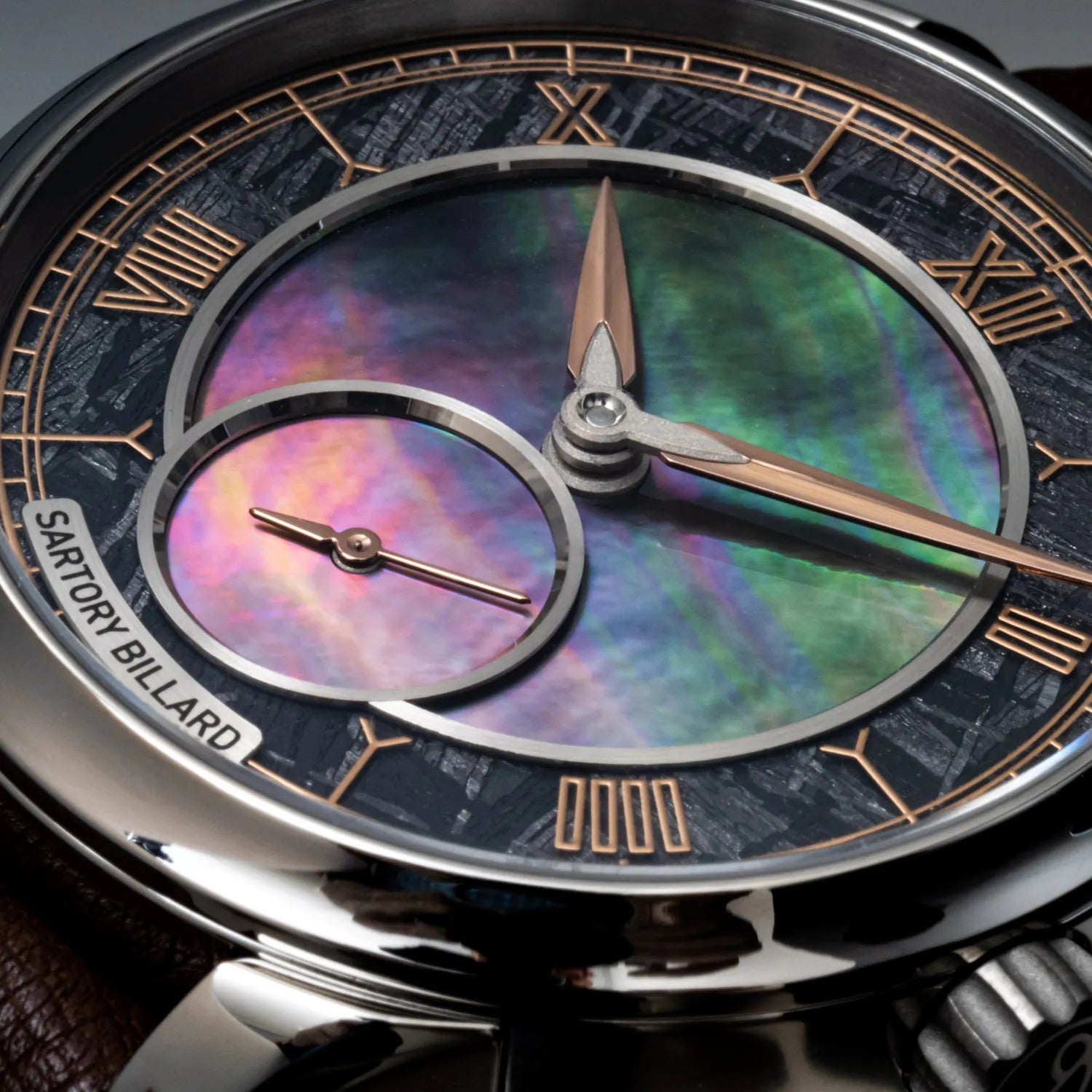
  • meteorite

Because these materials occur naturally, each dial is visually unique.

Engraved Metal Dials

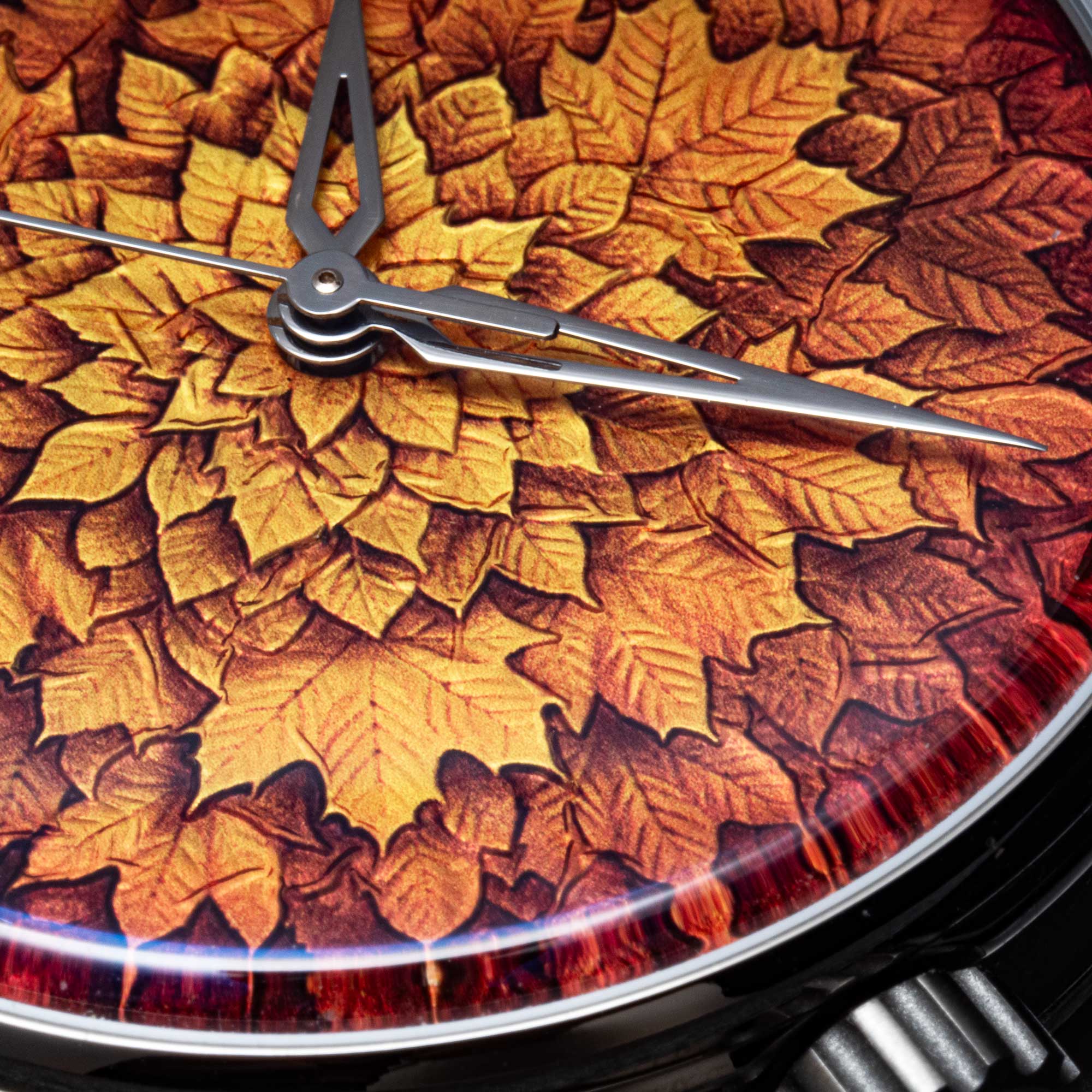
Some independent watchmakers create deeply engraved metal dials that produce dramatic reflections and patterns.

These techniques require significant technical expertise and artistic sensitivity.

Notable Independent Watchmakers

The independent watchmaking landscape includes many remarkable creators.

Below are several widely respected names within the field.

F.P. Journe

Founded by François-Paul Journe, this brand is widely regarded as one of the most important independent watchmakers.

Journe’s watches combine technical innovation with classical aesthetics.

Many of the brand’s movements are produced in solid gold and feature complex complications.

Kari Voutilainen

Finnish watchmaker Kari Voutilainen is celebrated for his extraordinary craftsmanship.

His watches are known for:

  • traditional movement architecture
  • exceptional hand finishing
  • handmade guilloché dials

Production is extremely limited, making his watches highly sought after by collectors.

De Bethune

De Bethune represents a more experimental approach to independent watchmaking.

The brand combines traditional watchmaking with advanced materials and futuristic design.

De Bethune watches are recognizable for their mirror-polished titanium components and innovative technical solutions.

Ming

Ming is a modern independent watch brand that has gained international attention for its distinctive design language.

The brand combines minimalist aesthetics with sophisticated mechanical movements.

Ming demonstrates how independent watchmaking continues to evolve with new creative perspectives.

Sartory-Billard and the Contemporary Independent Movement

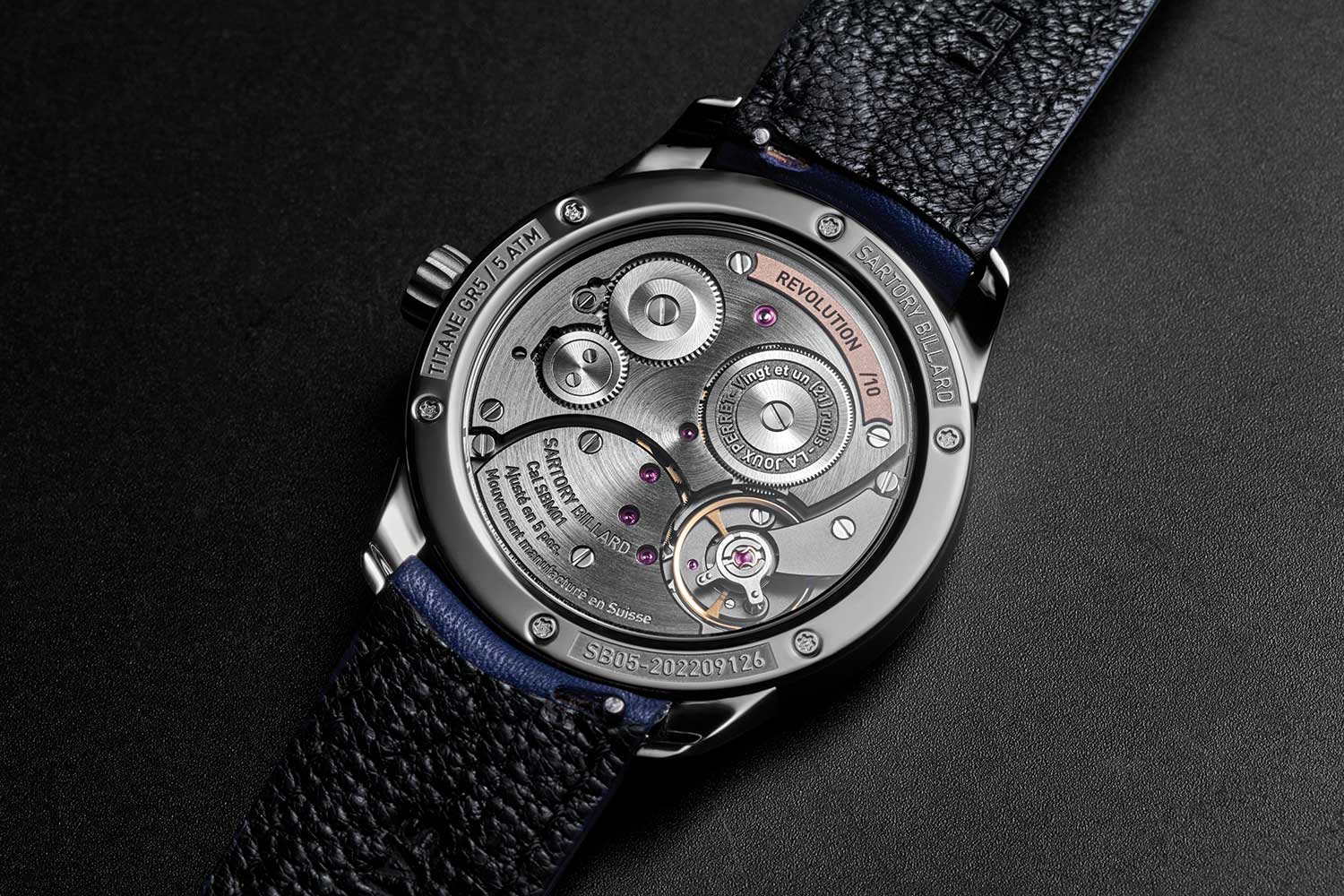
Among contemporary independent watch brands, Sartory-Billard represents a distinctive approach centered around personalization and dial artistry.

Founded by designer Armand Billard, the brand focuses on creating watches that reflect the individuality of each collector.

Rather than producing standardized collections, Sartory-Billard often collaborates directly with collectors during the design process.

This allows each watch to become a unique object that reflects the personal taste of its owner.

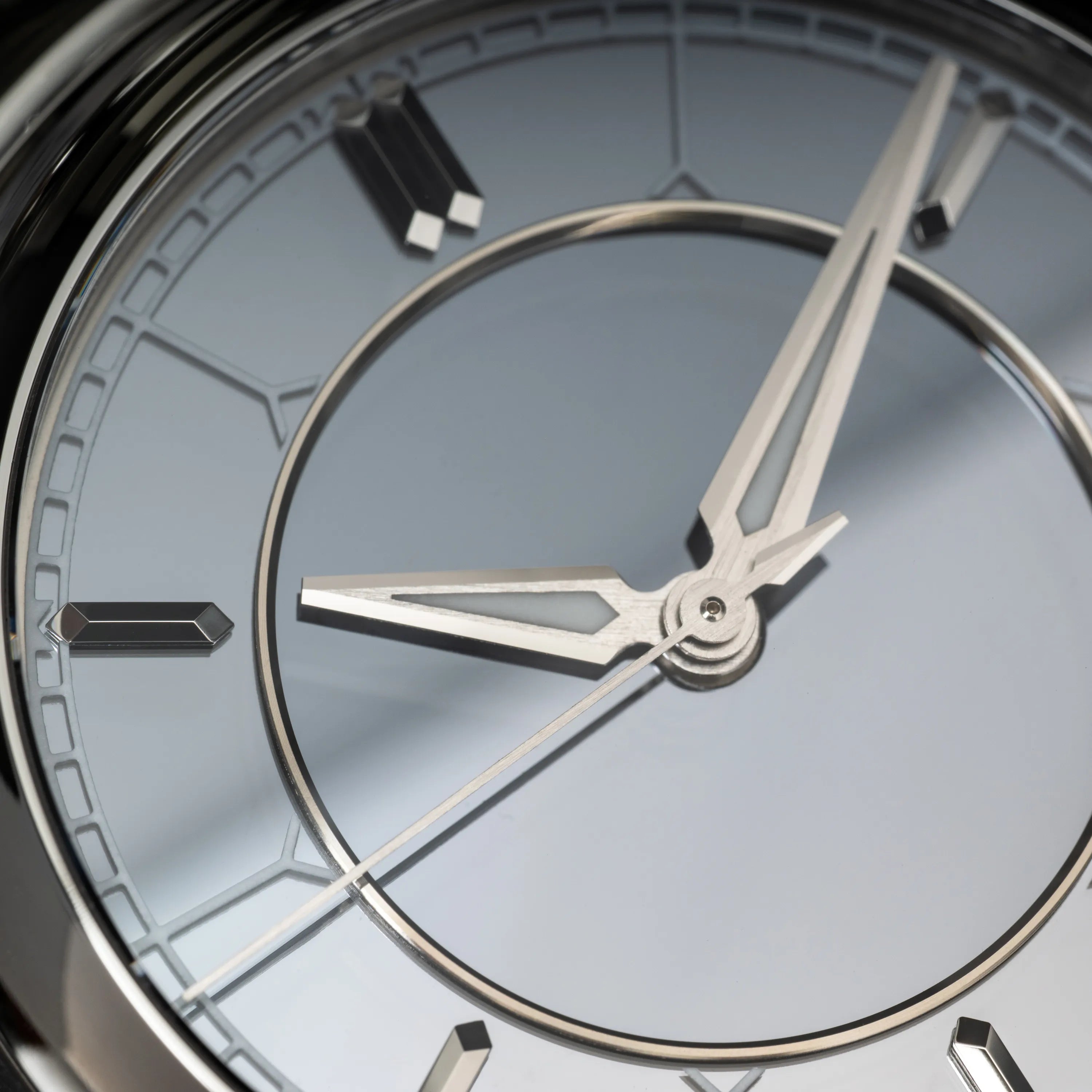
Sartory-Billard watches are particularly known for their exceptional dial work, incorporating materials and techniques such as:

  • guilloché patterns
  • mirror-polished titanium
  • natural stone dials
  • engraved metal surfaces

Through this focus on design and craftsmanship, Sartory-Billard contributes to the ongoing evolution of independent watchmaking.

Independent Watchmaking vs Large Luxury Brands

The difference between independent watchmakers and major luxury brands extends beyond production scale.

Large brands typically focus on:

  • large production volumes
  • global distribution networks
  • standardized product lines

Independent watchmakers, on the other hand, emphasize:

  • experimentation
  • craftsmanship
  • direct relationships with collectors
  • limited editions or bespoke pieces

This difference explains why many collectors increasingly seek out independent watch brands.

The Future of Independent Watchmaking

Independent watchmaking continues to grow in influence.

Digital communication and enthusiast communities have made it easier for collectors to discover new brands around the world.

At the same time, independent watchmakers are pushing the boundaries of mechanical watchmaking by exploring new materials, design approaches, and technical innovations.

As the watch industry evolves, independent watchmaking is likely to remain one of its most creative and exciting sectors.

Conclusion

Independent watchmaking represents a powerful expression of creativity, craftsmanship, and personal vision within modern horology.

By operating outside large corporate structures, independent watchmakers are able to pursue original ideas and maintain close relationships with collectors.

From established pioneers such as F.P. Journe and Kari Voutilainen to contemporary creators including Ming and Sartory-Billard, independent watchmaking continues to shape the future of mechanical watches.

For collectors seeking authenticity, individuality, and exceptional craftsmanship, independent watchmaking offers a uniquely rewarding experience.